
£0.00
Why Do Canned Drinks Taste Better? Wine Experts Settle the Debate
Ever wondered why your soda or wine from a can seems to taste better? The perception isn't just in your head. Canned drinks can taste fresher because cans are better at sealing out light and oxygen, which can alter the taste of beverages. This airtight environment helps preserve the drink’s original flavour better than other packaging options.
Packaging materials play a significant role in how drinks taste. Aluminium cans, for example, prevent exposure to elements that can spoil a drink’s flavour, unlike plastic bottles, which can let in gases that degrade the drink over time. Moreover, the experience of enjoying a beverage can also be psychological. The sound of the can opening and the convenience could influence how you perceive the taste.
The benefits of canned drinks extend to wine as well. Canned wines are lined to prevent the metal from affecting the flavour, debunking the myth that canned wines are of lower quality. This packaging method is also more convenient for outdoor activities like camping or beach trips, where bottles can be cumbersome.
Key takeaways
- Canned drinks taste fresher due to better sealing against light and oxygen.
- Aluminium cans maintain flavour integrity better than plastic bottles.
- Higher quality perception and convenience boost the appeal of canned beverages.
The science of taste and packaging materials
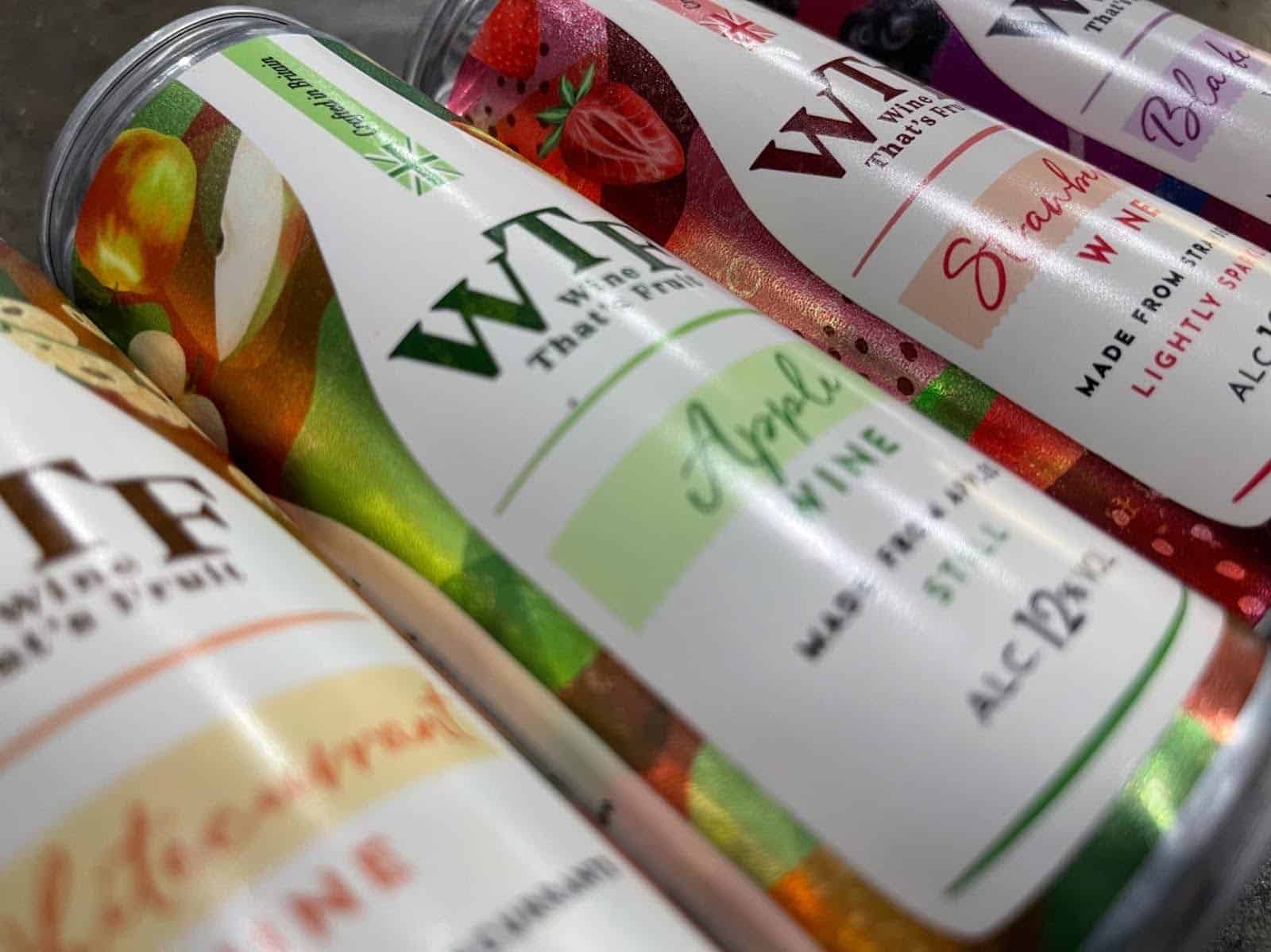
The packaging of your drink can greatly affect how it tastes. Differences in materials like glass, aluminium and plastic can lead to noticeable changes in flavour and mouthfeel.
Influence of packaging on taste buds
Different packaging materials interact with your taste buds in various ways. Glass is an inert material that doesn't react with the food or drink inside. This means that it preserves the original flavour.
Aluminium cans often have a polymer lining to prevent the drink from coming into direct contact with the metal. This means they're a great option for all types of drinks, from strawberry wine to soda and even still and carbonated water!
Plastic bottles can sometimes release small amounts of acetaldehyde, a compound that can subtly change the flavour of the drink. This is particularly noticeable in carbonated beverages and can affect your overall experience, especially if you're used to other packaging formats. When it comes to wine, whether you prefer a crisp white or a fruity raspberry wine, this can also be true of boxed wine, because the wine is stored in a plastic bag within the box.
Chemical interactions between drink and container
The chemical interactions between your drink and its container play a significant role in flavour. Glass does not have any chemical reactions with the drink, which means that all the soluble flavours remain unchanged. This lack of interaction helps in maintaining the integrity of the beverage, preserving both taste and aroma.
Aluminium cans have also been designed with a unique lining that prevents the material of the can affecting the taste of your drinks. This polymer lining acts as a barrier. Canned drinks offer additional benefits, including easier recyclability and portability, plus they can help keep your drink colder for longer.
Plastic bottles can introduce flavours from the packaging material itself into the drink. The acetaldehyde in plastic can seep into the drink, affecting how you perceive the flavour. This chemical can interact with the drink’s ingredients, changing both the aroma and taste, which might not go unnoticed by your taste buds. This is also the case with plastic bags in boxed wine.
Comparing containers: aluminium, glass and plastic
Understanding how different containers affect the taste of your beverages can help you make better choices. Aluminium cans, glass bottles and plastic bottles each have unique properties that influence the flavour of soft drinks, alcoholic drinks and caffeinated beverages.
Aluminium cans and drink flavour profile
Aluminium cans are commonly used for drinks because they're lightweight and recyclable. The aluminium material has a polymer coating on the inside to prevent the drink from coming into direct contact with the metal. This polymer coating helps maintain the soda’s taste by preventing metallic flavours from leaching into your drink.
Canned soda and alcoholic drinks tend to stay colder for longer periods, which can enhance your drinking experience. The hermetic seal on aluminium cans also protects the soda from light and air, which helps preserve the carbonation and original flavour profile. It's worth noting that some people claim they detect a slight metallic taste, but this could often be psychological.
Bottled soda: glass vs. plastic
When it comes to bottled soda, glass bottles are often preferred for their ability to preserve flavour. Glass is a tasteless and odourless material, which means your soda tastes as intended without any chemical interactions. Glass bottles help maintain carbonation better than plastic, keeping your soda cans fizzy for longer.
On the other hand, plastic bottles are lightweight and less likely to break, making them a convenient choice for on-the-go consumption. However, plastic bottles can allow small amounts of gas to escape over time, leading to a less fizzy drink. Additionally, some people report that soda in plastic bottles has a slightly altered taste compared to glass bottles due to the plastic's properties.
In conclusion, glass bottles are ideal for preserving the flavour and carbonation of your soda, whereas plastic bottles offer convenience.
Why does Wine That's Fruit come in cans?
You might have noticed that our drinks, including apple and blackcurrant wines, all come in cans. So why did we choose to do that?
As well as offering superior taste, our cans offer unrivalled sustainability benefits. Glass may be recyclable, but did you know it takes four times more energy to recycle a glass bottle than it does an aluminium can?
We knew that by switching to cans, we wouldn't be compromising on quality and taste - but we'd have a measurable impact on the environment, and that's something we're really passionate about.
We also know how many of our customers like to consume our strawberry and apple wines - often taking them on-the-go to picnics and train travel. And who wants to haul big glass bottles everywhere you go? Our portable, stackable and lightweight cans mean you can take our strawberry and whitecurrant wines with you on the go - they're so practical!
You've probably tried canned cocktails thanks to their huge surge in popularity - so is it time you tried fruit wine in a can?

Consumer experience and industry practices
Understanding why canned drinks taste better involves examining both consumer perceptions and the industry practices that influence flavour and cost. Each aspect of this debate plays a vital role in shaping the overall experience when enjoying various beverages.
Perception of flavour in different serving forms
Many people know that canned drinks have a superior flavour. Cans are excellent at sealing out light and oxygen, which can impact the flavour negatively. This helps preserve the drink's original taste and freshness.
Glass, on the other hand, is also a popular choice for many beverages due to its inert properties. It doesn't interact chemically with the drink, ensuring that no off-flavours develop. Some consumers prefer glass for soda and beer because they believe it maintains the original flavour better than plastic. However, glass can be tricky when it comes to portability and fully blocking out light.
On the flip side, plastic bottles are often criticised for altering the chemical profile of the drink. Over time, they might change the taste due to interactions between the plastic and the drink. Fountain sodas at chain restaurants can taste different due to variability in syrup-to-water ratios and carbonation levels.
Manufacturers' considerations for taste and cost
Drink manufacturers focus heavily on both taste and cost when deciding on packaging materials. Cans are not only cost-effective but also provide a barrier against external elements that might interfere with the drink's flavour.
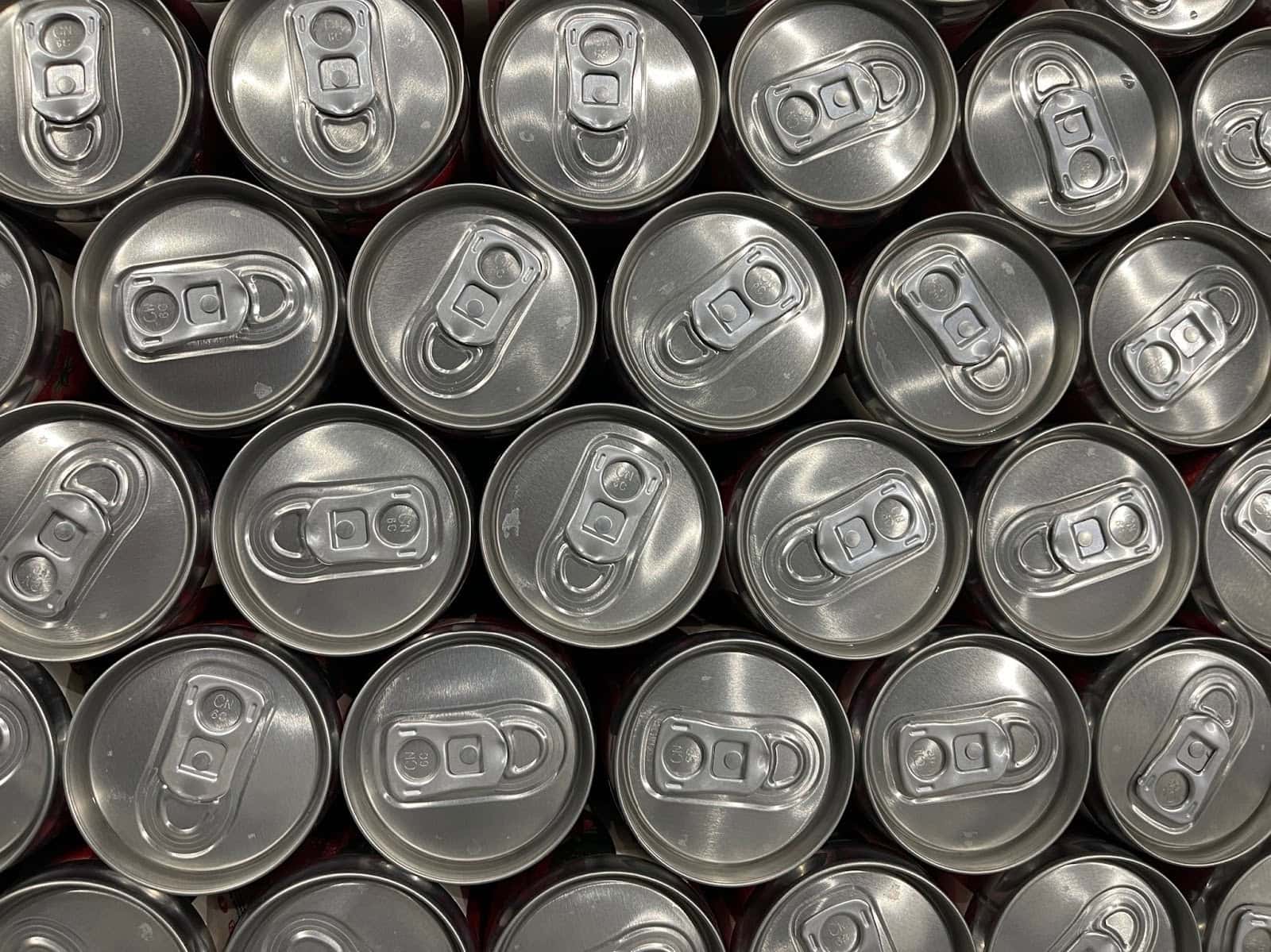
Using glass is more expensive due to production and transportation costs. Glass is heavier and more fragile than both cans and plastic, increasing expenses, which are often passed onto the consumer when aluminium is a taste and cost-effective alternative.
Plastic bottles are cheaper and more convenient for bulk distribution. They are lighter, which reduces shipping costs. Yet, this comes with a trade-off in flavour profile and shelf life. Food companies and coffee shops might opt for plastic for convenience, especially when catering to large numbers of customers quickly.
Balancing flavour with cost is essential for manufacturers. This often involves trade-offs that directly impact consumer experience.
Frequently asked questions
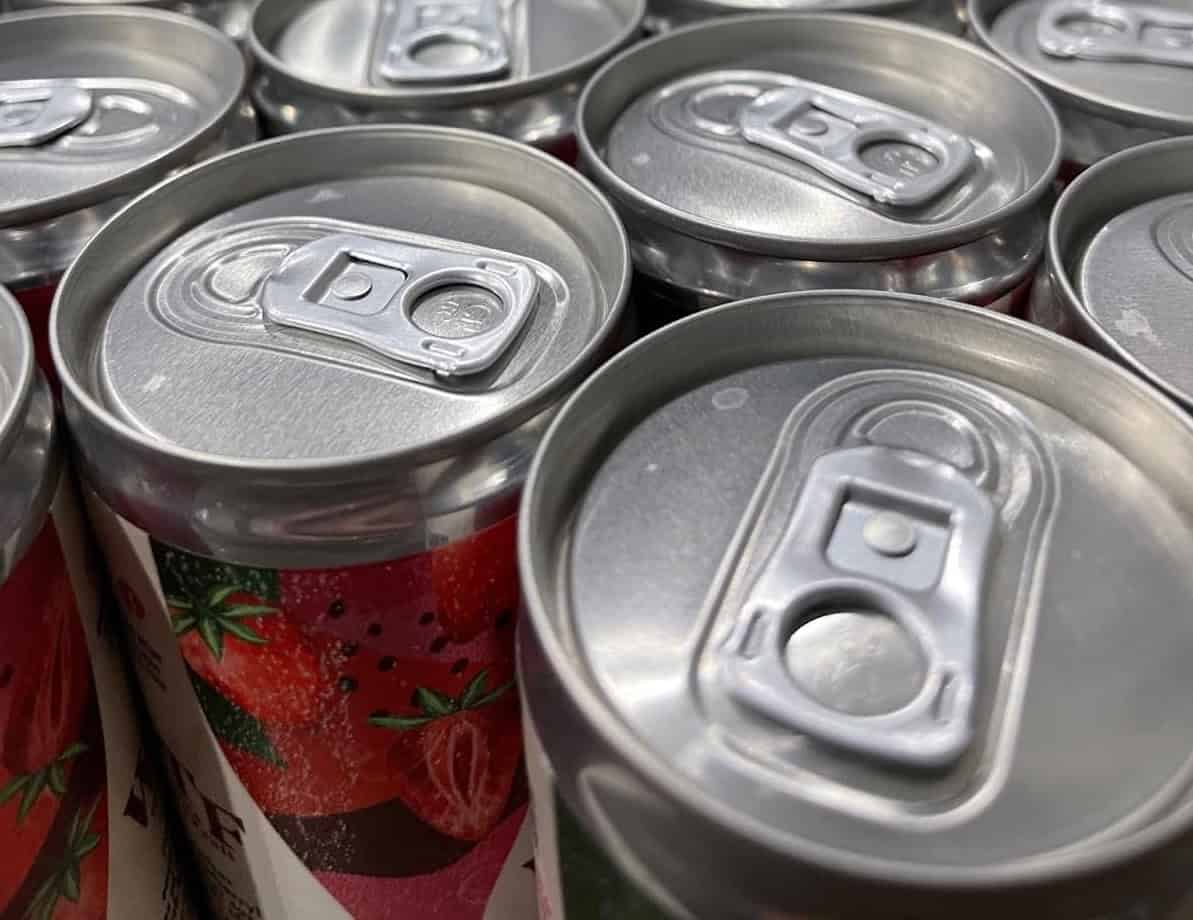
The taste of drinks can vary based on their packaging, temperature and the materials used. Your experience of a drink can be influenced by several factors, including the container and serving temperature.
Why might a drink's flavour perception differ between cans and bottles?
Drinks in cans often stay fresher because cans block light and oxygen, which can spoil the drink in terms of taste. This helps maintain the drink's original flavour for longer. Bottles, especially plastic ones, might let some light and air in, which can change the taste over time.
Is there a reason that beverages seem more refreshing when served cold?
Cold temperatures can enhance the taste sensation of some drinks, making them feel more crisp and refreshing. Additionally, with cold drinks, their flavour profile can be more subdued, which can be enjoyable with certain beverages.
How does the packaging material affect the taste experience of a soft drink?
Packaging materials like aluminium and glass can keep drinks tasting fresh by protecting them from light and air. Aluminium cans are particularly effective at doing this, which can make sodas taste better compared to those stored in plastic bottles, which may not protect as well.
What are the taste differences between carbonated drinks served in aluminium cans and plastic bottles?
Carbonated drinks, including sodas and alcoholic beverages, in aluminium cans often taste fresher because aluminium provides a stronger barrier against light and air. Plastic bottles, on the other hand, might let in some environmental elements. This can lead to a slightly altered taste, making the sodas stored in plastic less crisp.
Is there an explanation for why some drinks are perceived as tasting better in a wine glass?
Wine glasses are designed to enhance the flavour and aroma of drinks. Their shape can help direct the drink to specific parts of your tongue, improving your tasting experience. This is one reason why wines and other beverages may taste better when served in a wine glass.
Our wines taste fantastic whether drunk straight out of the can or poured into a wine glass!