
£0.00
Can Wine Be Made From Any Fruit?
Absolutely. Wine, by definition, is fermented fruit juice. Although we tend to think of wine being limited to grapes, fruit wine can be made from any fruit that can be fermented. Some popular grape wine alternatives include plum wine, apple wine, kiwi wine and berry wine (strawberry, raspberry, blackcurrant, and whitecurrant).
Each type of fruit will create a unique flavour and texture profile. For example, plum wines tend to be sweet and have a syrupy texture, while apple wines are generally dry and tart. Additionally, berry wines can range from extremely sweet to acidic depending on the type of berries used in the fermentation process.
As you can see, there is an abundance of options for making fruit wines. Let’s take a look at some of the best fruit wines to try:
Which Fruits Make the Best Wine?
Apple Wine
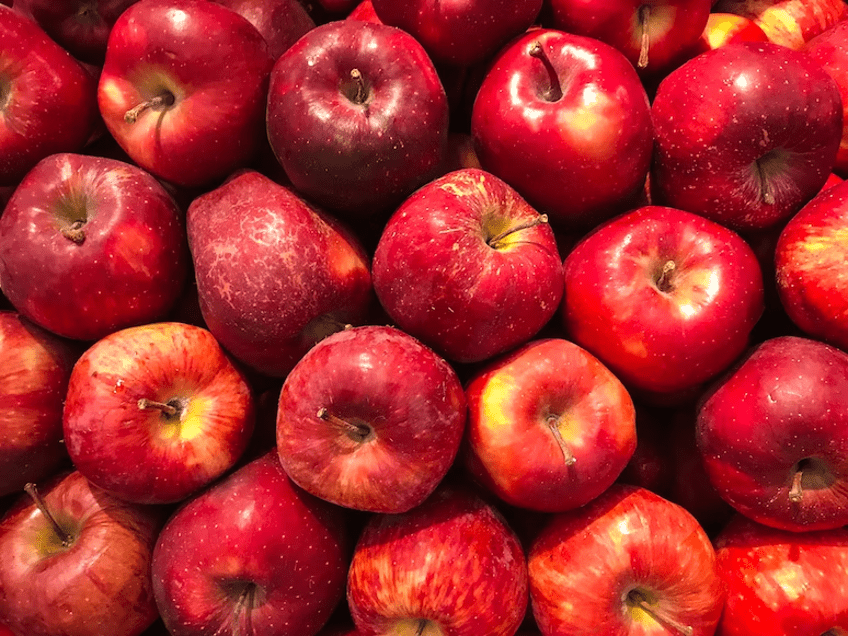
Apples are one of the most beloved fruits in the world, and this comes as no surprise given their sweet flavour and nutritional profile. There are many varieties of apples to choose from - some of the more popular ones include Red Delicious, Golden Delicious, Granny Smith, Honey Crisp, Braeburn, McIntosh, and Fuji.
The redder the apple, the higher it is in antioxidants like Vitamin C and polyphenols which provide numerous health benefits.
Apple wine is sweet and aromatic, similar to white grape wines. The taste can vary depending on the type of apples used and the sugar content.
Pros:
- Apple wines are typically low in acidity, making them easy to drink for those who don’t enjoy tart drinks.
- Apple wines tend to have a longer shelf life than other fruit wines, making them more suitable for ageing.
- Apple wines can be fairly inexpensive to make, as apples are easy to find and don’t require extensive processing.
Cons:
- Fermentation of apple wines can be tricky, as the high sugar content of apples can make it difficult to achieve a balanced flavour profile.
- Apple wines also tend to require more ageing than other fruit wines, meaning it can take longer to make a bottle ready for consumption.
Pair apple wines with cheese or pork dishes for a tantalising experience on the tongue!
Berry Wine
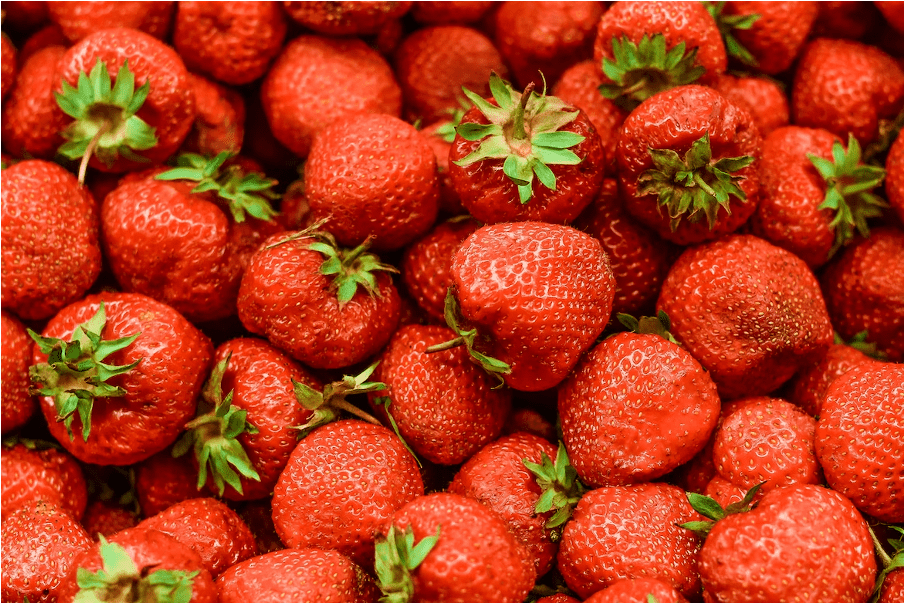
From tart cranberries to sweet strawberries and everything in between, these juicy fruits offer something for everyone! Blueberries, raspberries and blackberries are some of the most popular types of berries used in creating wines. Each one has its own unique flavour and texture, making them a versatile ingredient.
Berry wines are typically made from a combination of berries, such as strawberries, raspberries, blackcurrants, and whitecurrants. These wines tend to be lightly sweet and fruity in flavour.
Pros:
- Berry wines are generally light and refreshing, making them great for summertime drinks.
- The fermentation process for berry wines is relatively straightforward, making them an ideal option for novice winemakers.
- Berry wines usually don’t require as much ageing as other fruit wines, meaning they can be consumed sooner.
Cons:
- The flavour of berry wines can be quite subtle, so it requires a great degree of skill to bring out each of the flavour notes.
- Making berry wine can also be time-consuming, as the berries have to be picked and prepared before fermentation.
Pair berry wines with fruity desserts like tarts, cobblers, and strudel to delight the tastebuds and deliver the perfect finisher to any meal!
Other delicious pairings for this wine include:
- Roast pork with applesauce
- Salmon can make an excellent match to lightly flavoured berry wines
- Grilled vegetables or seared tuna can make an excellent companion to the more full-flavoured berry wines
- Cheese plates featuring blue cheese, gouda, and cheddar make great partners to sweet berry wines
Plum Wine
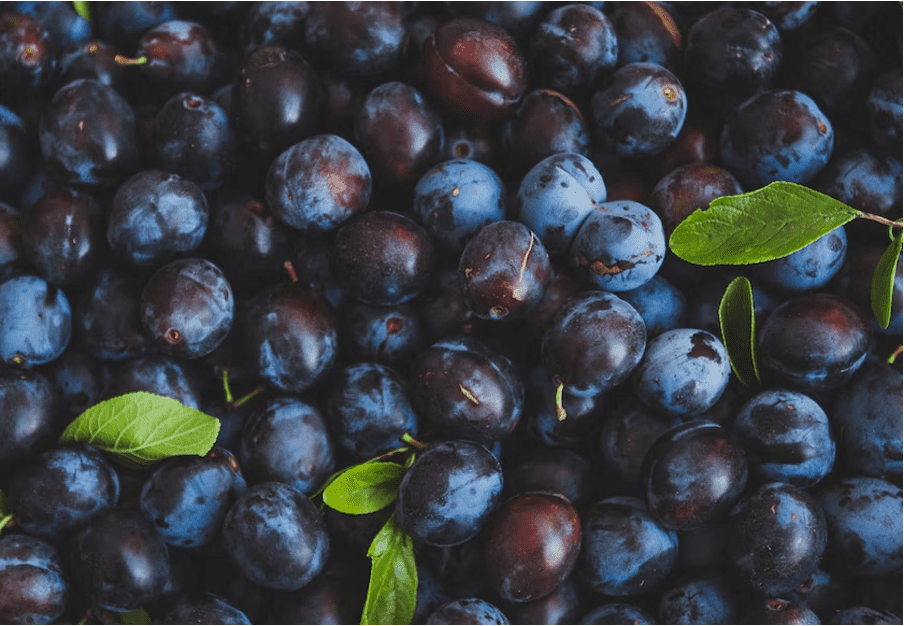
Sweet, juicy plums are not only a delicious snack but can also be used to make a delectable range of wines. With their naturally sweet and slightly acidic flavour, they create perfect conditions for producing light-bodied and dry white wines, sparkling wines and even dessert wines. Each variety of plum presents its own unique bouquet of flavours, with subtle hints of tartness providing a balanced yet complex taste that's sure to tantalize any wine connoisseur's palate!
Pros:
- Plums are a versatile fruit, making them easy to pair with other flavours and creating a wide variety of wines.
- Plum wines have a low alcohol content, making them gentler on the stomach and easier to drink.
- Plum wines also tend to be relatively inexpensive, which is great for hobbyists looking to experiment with different types of wines.
Cons:
- Plum wine generally has a rather short shelf life and should be drunk within one year after bottling.
- Making plum wine can be challenging, as the high sugar content of plums can make fermentation more difficult.
- It also tends to take longer than making grape wine. The taste of plum wine can be quite strong and not to everyone's liking.
Plum wine pairs wonderfully with a range of savoury dishes. Its slightly sweet and tart flavour is the perfect accompaniment to simple salads, light pasta dishes, and grilled vegetables.
Toasted nuts and creamy cheeses also bring out the complexity of plum wine's unique bouquet of flavours. For a truly remarkable meal, pair your glass of plum wine with a plate full of fresh seafood or mouth-watering poultry dishes for a pairing experience you won't soon forget!
Kiwi Wine
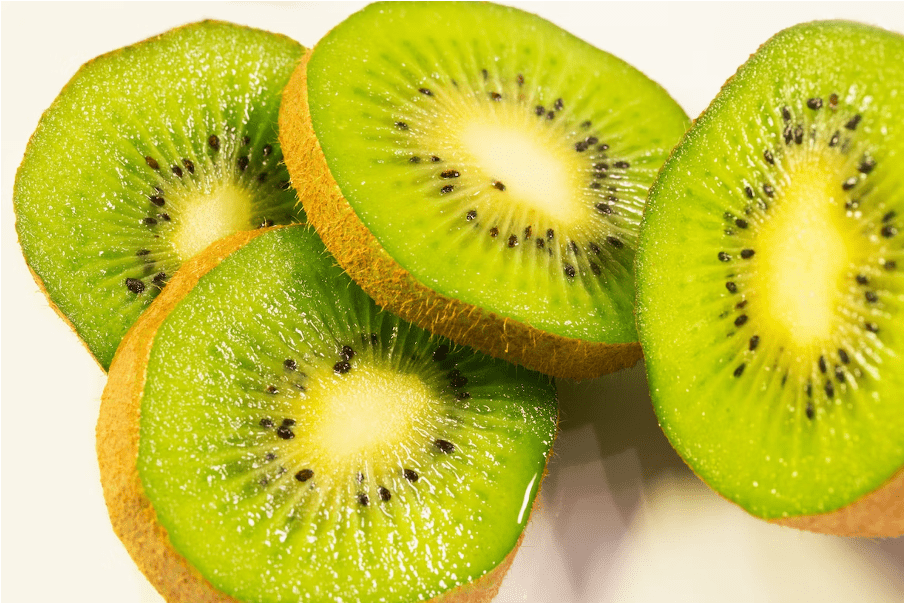
A unique addition to the world of fruit wines, kiwi wine is just as refreshing and flavorful as its namesake fruit! With a taste that's both sweet and tart, kiwi wines are sure to tantalize your palate. Depending on the variety of kiwi used, the flavour profile can range from light yet complex to refreshing and smooth. A perfect pairing for sparkling wines, this exotic vino will take your next social gathering up a notch.
Pros:
- Kiwi wine is popular because of the tropical taste that makes it great for summer drinks.
- The fermentation process is relatively easy, making it a great option for beginners.
- Kiwi wines tend to be low in alcohol content, making them easier to drink.
Cons:
- Kiwi wines tend to be quite sweet and not as acidic as other wines, which can make them difficult to pair with food.
- Kiwi wine also has a shorter shelf life than some other fruit wine variations
- Due to the tropical nature of the fruit, it can also be difficult to get a consistent flavour profile when making kiwi wine.
Kiwi wine is a unique and delicious beverage that pairs perfectly with a variety of foods. Its sweet, crisp flavour enhances rich dishes like roasted pork or chicken, while lighter fare such as salads and grilled vegetables also benefit from its delicate notes.
For the adventurous foodie, try pairing Kiwi wine with sushi or sashimi – the acidity and sweetness of the drink will bring out the freshness of the raw fish!
**DISCLAIMER** WTF supports the enjoyment of alcoholic beverages as part of a healthy lifestyle. Please drink responsibly. Please do not drink if you are pregnant, have any health conditions which makes you vulnerable to the effects of alcohol, or are on any medication. Please seek help and guidance from your GP if you have any concerns. Please do not exceed more than 14 units a week on a regular basis and please do not drink and drive.